You've seen her at the airport.
Hair down. Still shiny. Barely disturbed across the part. She just stepped off a five-hour flight and somehow still looks fresh.
You scanned her the way we do. The outfit, the bag, the coffee. And the hat.
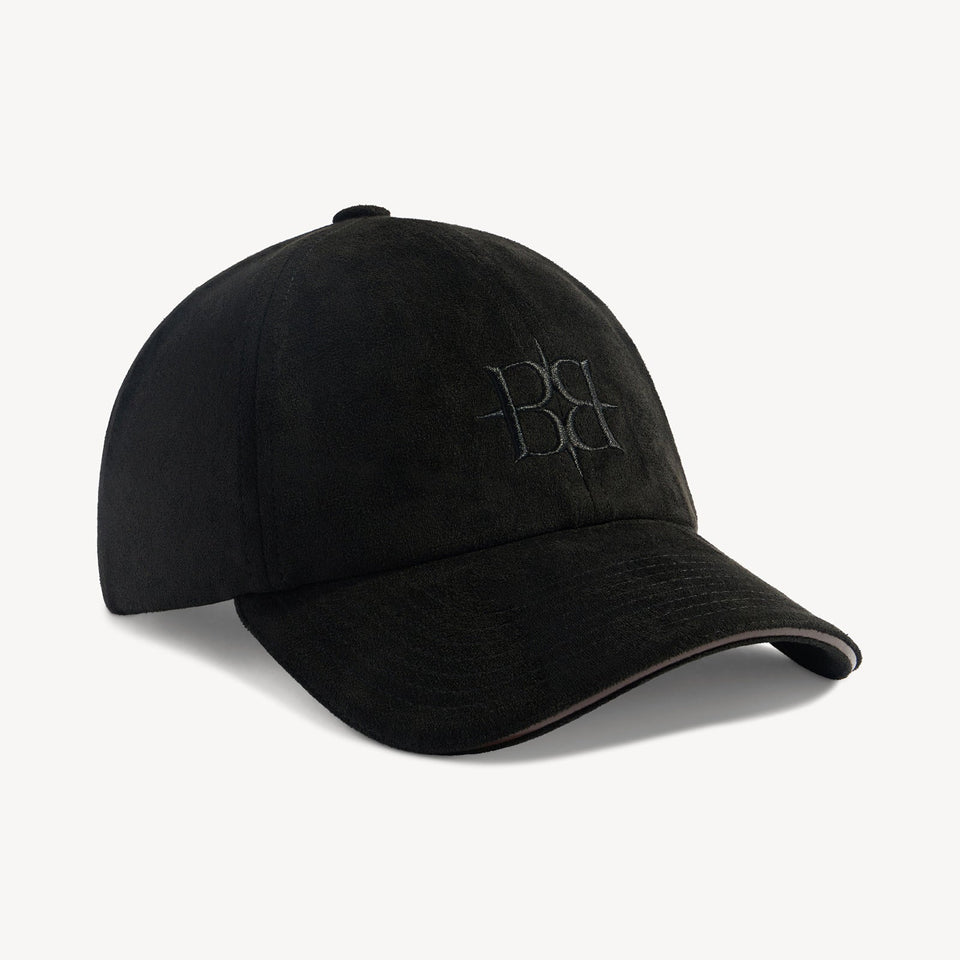
Low-profile. Ivory. Small embroidered logo. Everything about it looked effortless, not just convenient.
It was deliberate. And the reason her hair still looks put together is inside it.
What Every Other Hat May Be Doing to Your Hair
Turn a regular hat inside out. Feel the lining.
Often, it's cotton.

Cotton can grip. It can snag strands as they move, absorb natural oils, and create repeated damage against your hair with every small movement of your head.
The baby hairs can take the worst of it. Those fine strands along your hairline are too short to lie flat and delicate enough to be stressed by hours against a rough cotton sweatband. Over time, that repeated rubbing can affect the exact hairs that frame your face and become the direct cause of premature thinning.
Take it off and the result can be flat roots, a crease in your part, frizz at the edges, or that angry red welt mark on your forehead.
It may not be a bad hair day. It may be the hat.
"The hat you reach for to hide bad hair shouldn't be the reason the next one starts."
What She Has Inside Hers
Silk. Crown, sweatband, every surface her hair touches. Mulberry silk, the same material hairstylists recommend for pillowcases, for the same reason.
Less friction. Less absorption. Hair can move more freely, helping reduce the tugging and drying that regular hats can create.
After hours of travel, the goal is simple: less creasing, less flatness, and less damage to the hair you styled before you left.